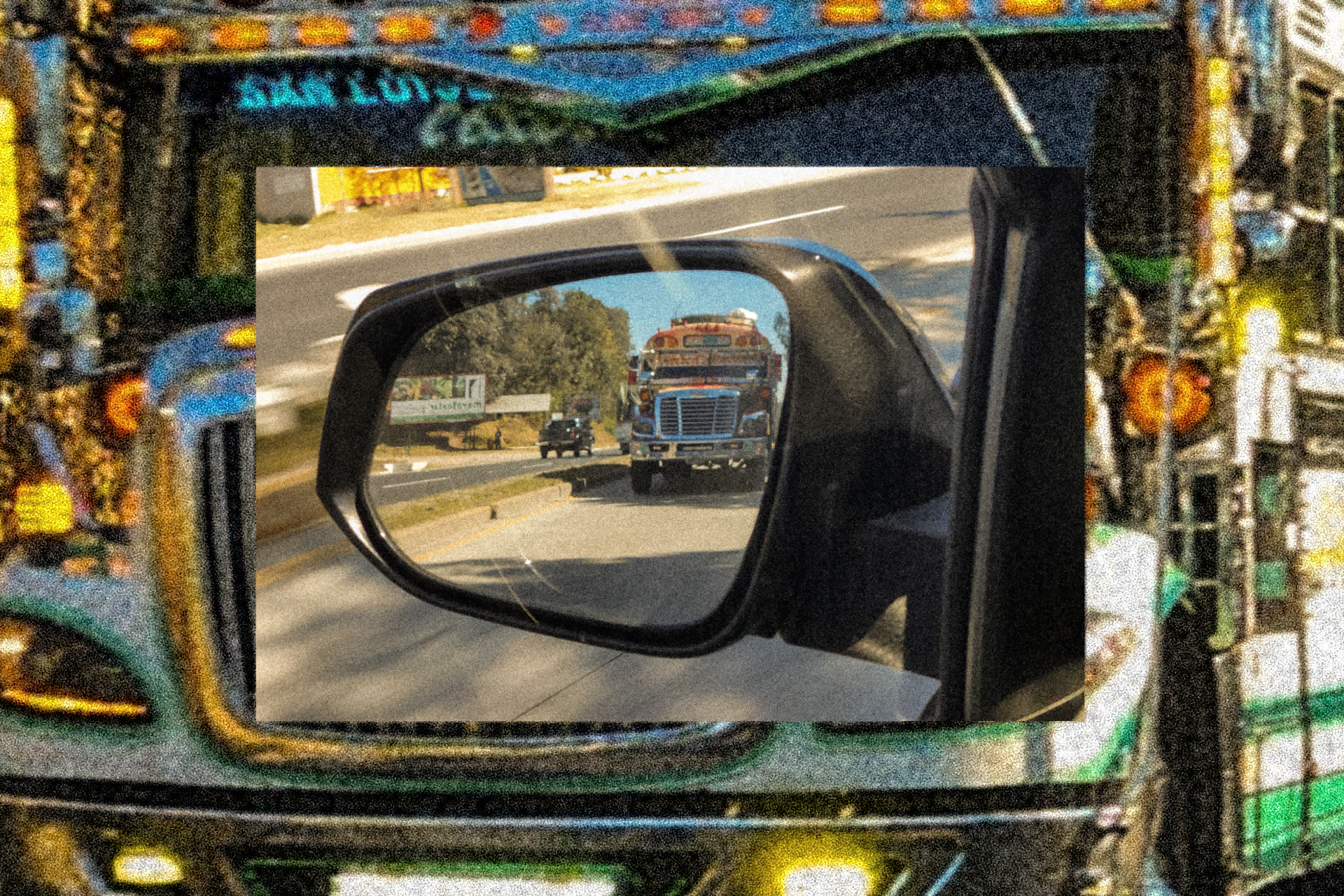
I quickly learned to give Chicken Buses plenty of space. These heavily decorated buses are notorious for their aggressive driving. They speed down winding roads, swerve into oncoming traffic to overtake slower vehicles, and stop abruptly to pick up passengers without signaling. Packed so tightly with people, they store luggage on the roof, wrapping everything in trash bags before tossing it up there. Originally used to transport farm animals, these buses now carry people across the country.
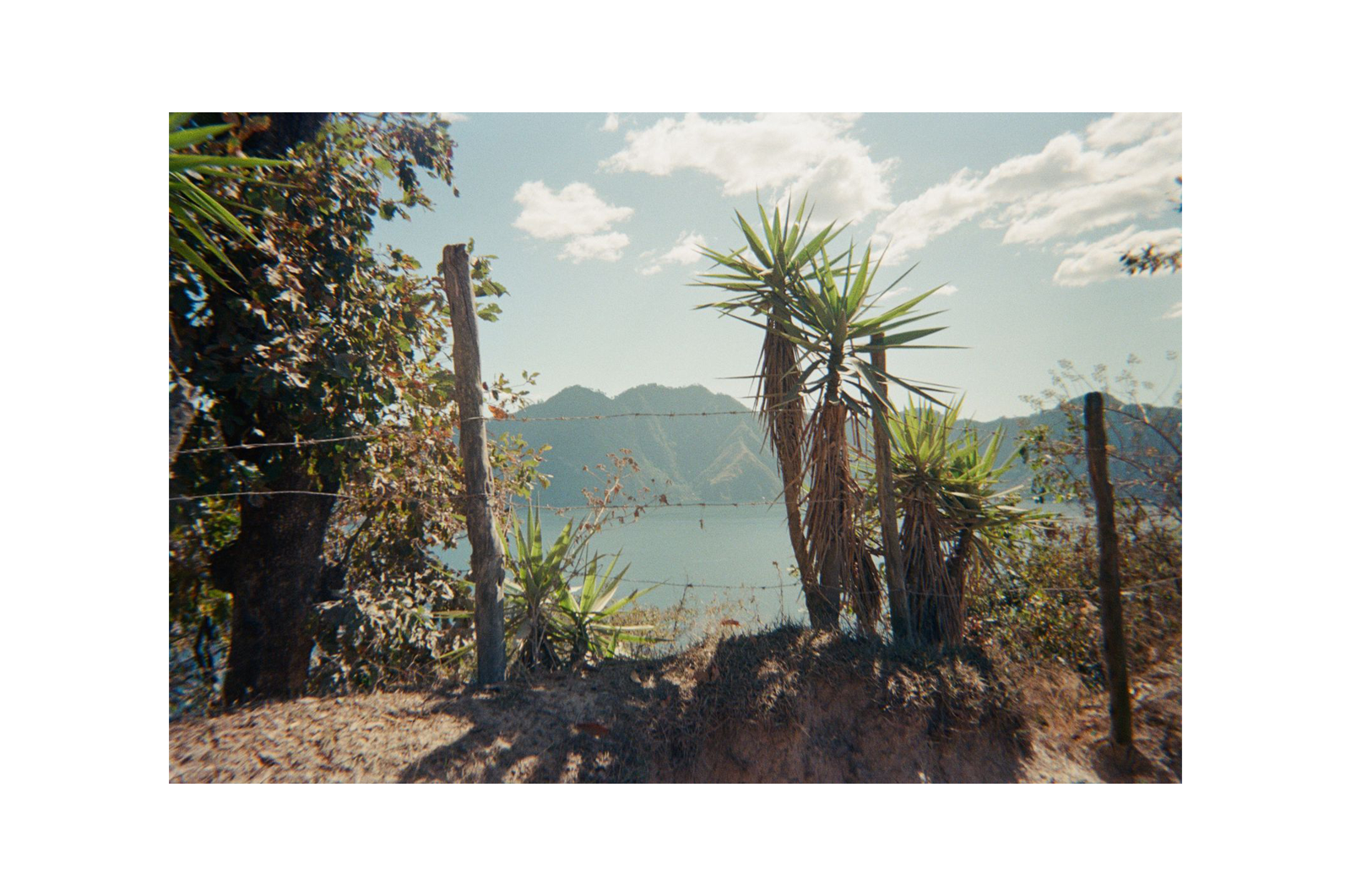
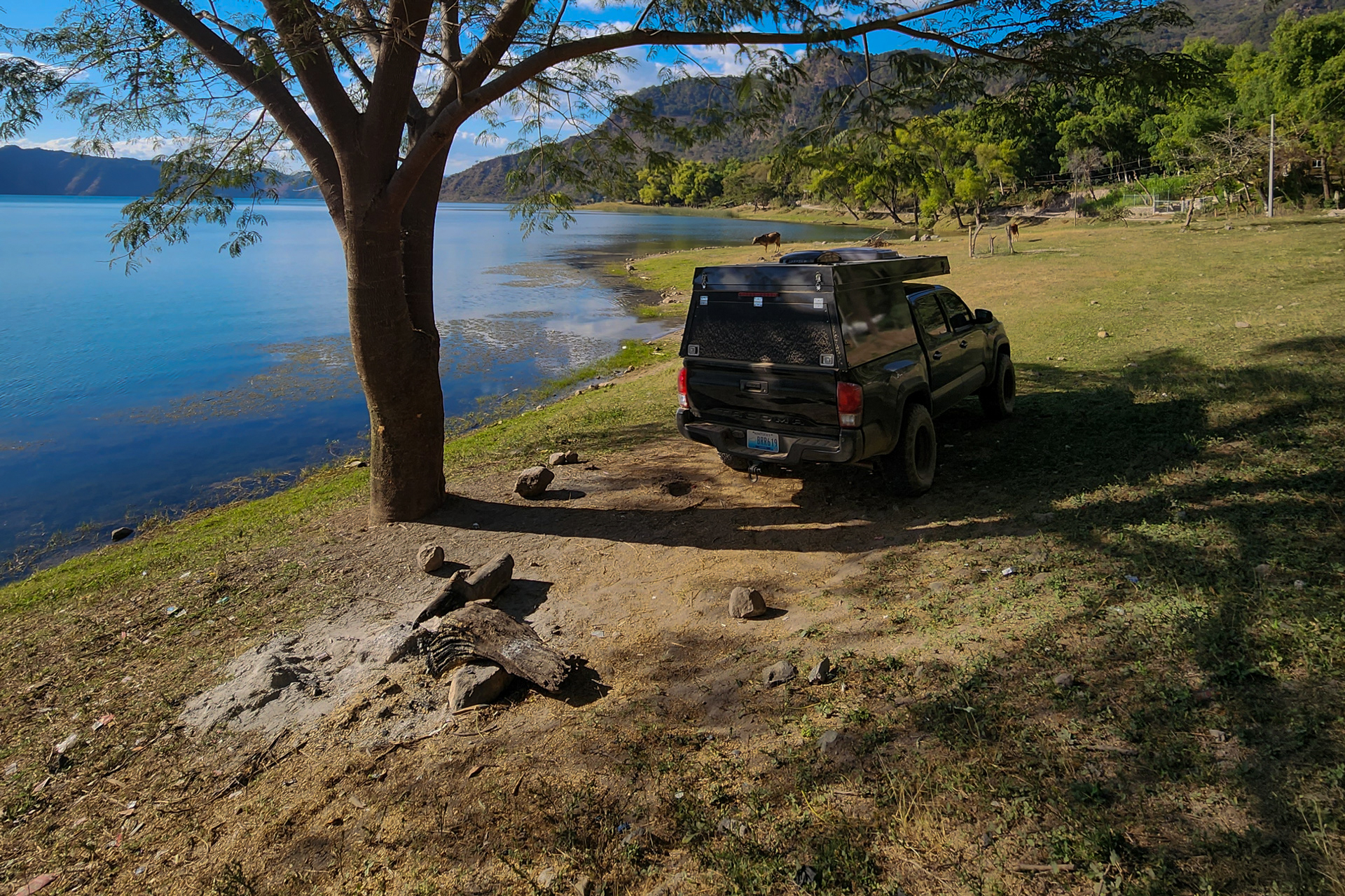
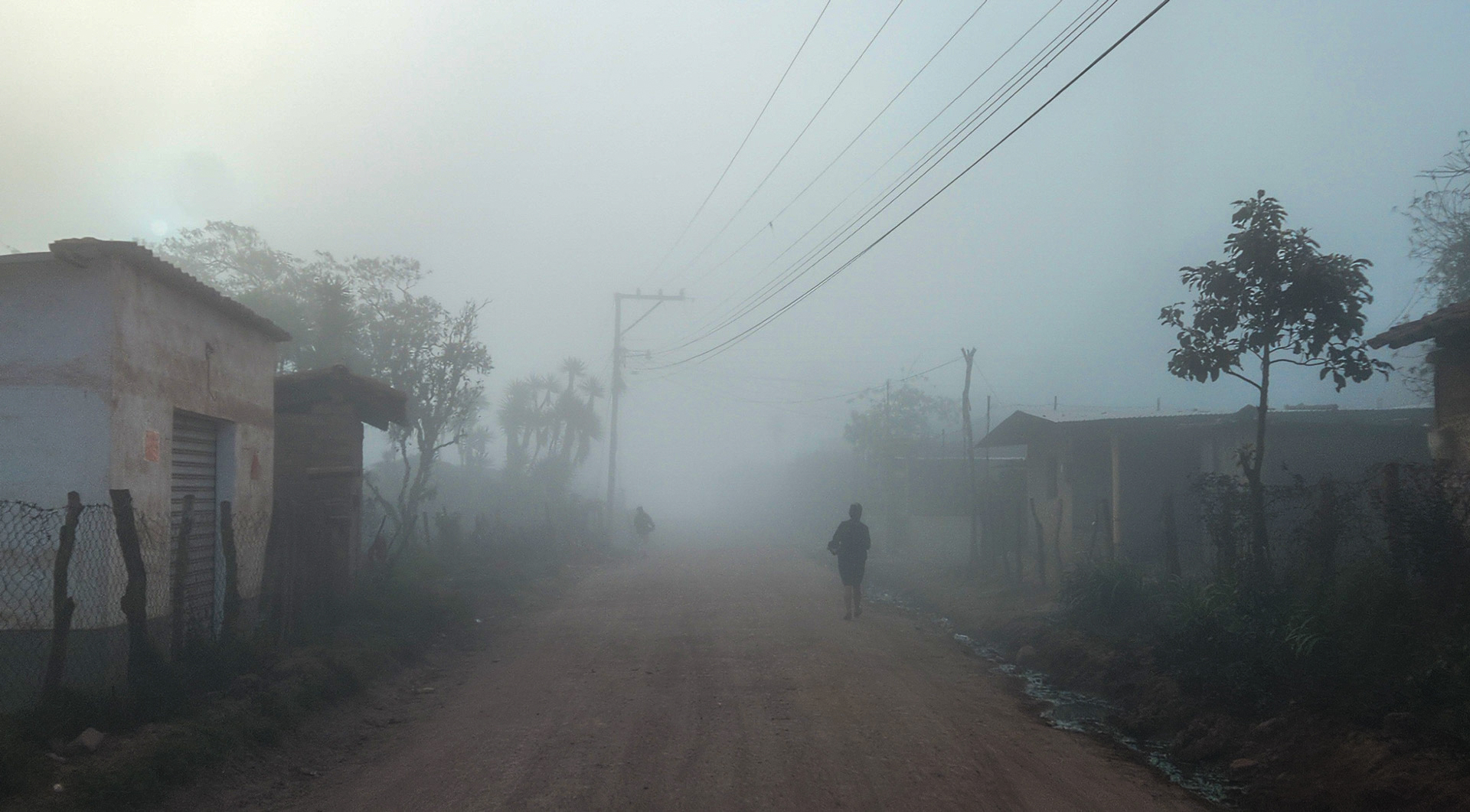
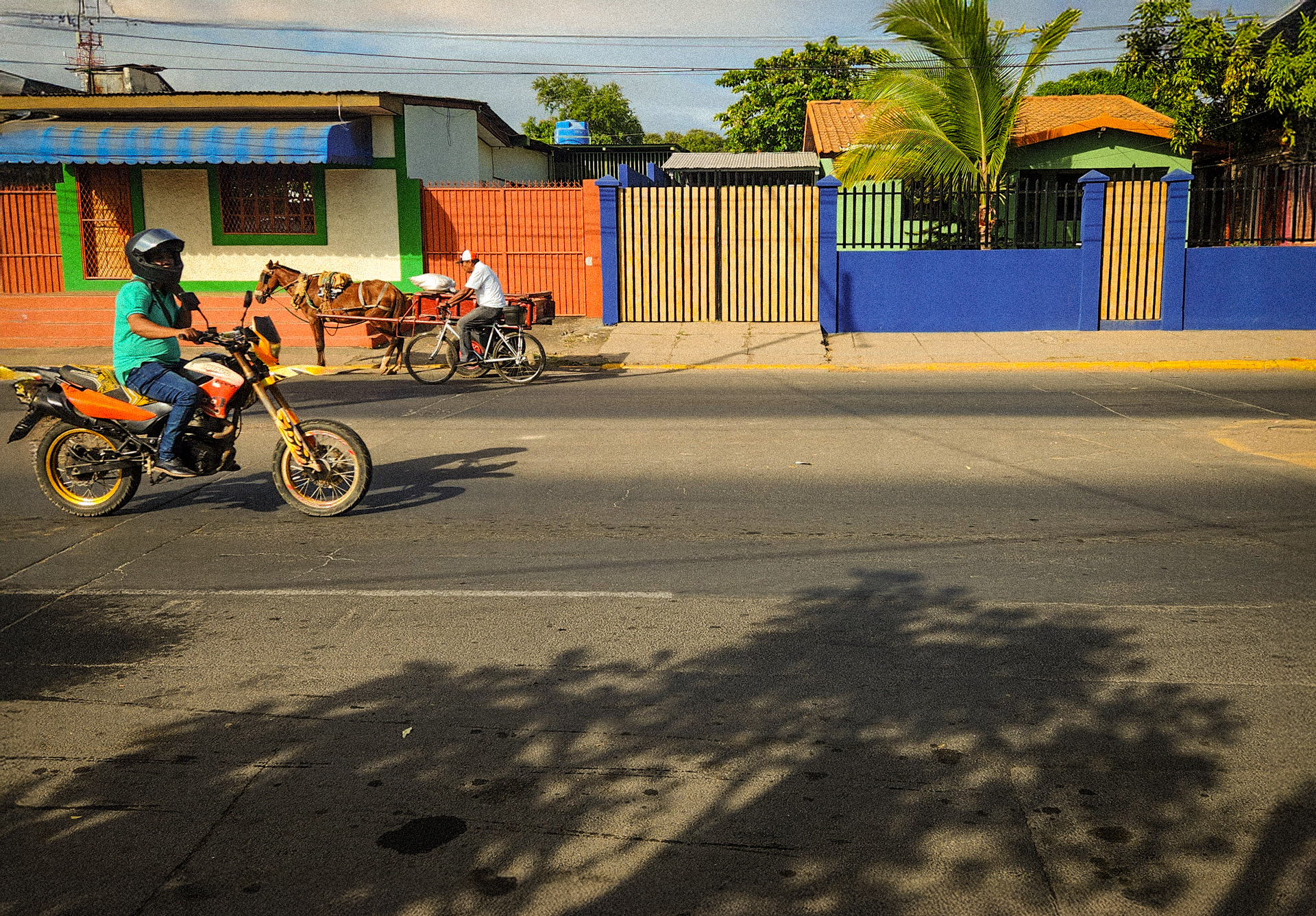
The roads have narrowed and potholes are more frequent, passing even the slowest three-wheeled tuk-tuks have become much more difficult. After miles of stop and slow traffic, I was ready to get off the main highway. I followed a sign pointing toward Laguna de Ayarza, a lake formed in a volcanic caldera and bordered by a small collection of homes along the water's edge. I found an isolated spot that appeared to have been used as a campsite before. The ground was scattered with cold ash from a fire and a few plastic soda bottles. I was setting up my camper for the night when a loud dirt bike pulled up beside me. The rider turned off the bike and gestured for me to come closer. Skeptical, I walked towards him. I greeted him with "Buenas noches." He replied, "Good evening."
The man on the motorcycle was named Victor. He invited me to his cabin for a cup of coffee. While we waited for the campfire to boil the water, he showed me around the cabin. It was one large room still under construction, with exposed cinder block walls. A pile of rebar and concrete mix sat in the corner next to an army cot. "No terminada," he said. Not finished.
We stepped outside to check on the coffee. It smelled ready. Victor, who was studying to be an engineer, was excited to practice his English. We talked about how he and his father used to fish on the lake when he was a child. He asked what I had seen in Guatemala so far, but since I had only been in the country for a day, I felt bad that I didn't have much to share. I finished my coffee, said goodbye, and headed back to my truck for the night.
Before leaving Kentucky, I contacted Alejandro from Overland Embassy, a travel logistics company based in Panama City, Panama. To travel from North America to South America, I would need to navigate around the Darién Gap. Locally known as El Tapón (The Stopper), the Darién Gap is a densely jungled region home to Indigenous communities and criminal gangs. When you ask Panamanians why there's no road to Colombia, the answers usually include drugs, migrants, and disease. Although there's no paved road, thousands of migrants still attempt to cross the Gap on foot each month.
My plan involved shipping my vehicle to Colombia. The truck would be placed in a container, loaded onto a massive boat, and dropped off in Cartagena. I had to be in Panama City by February 1st to start the paperwork process, but January was nearly over and I still needed to cross four more borders.
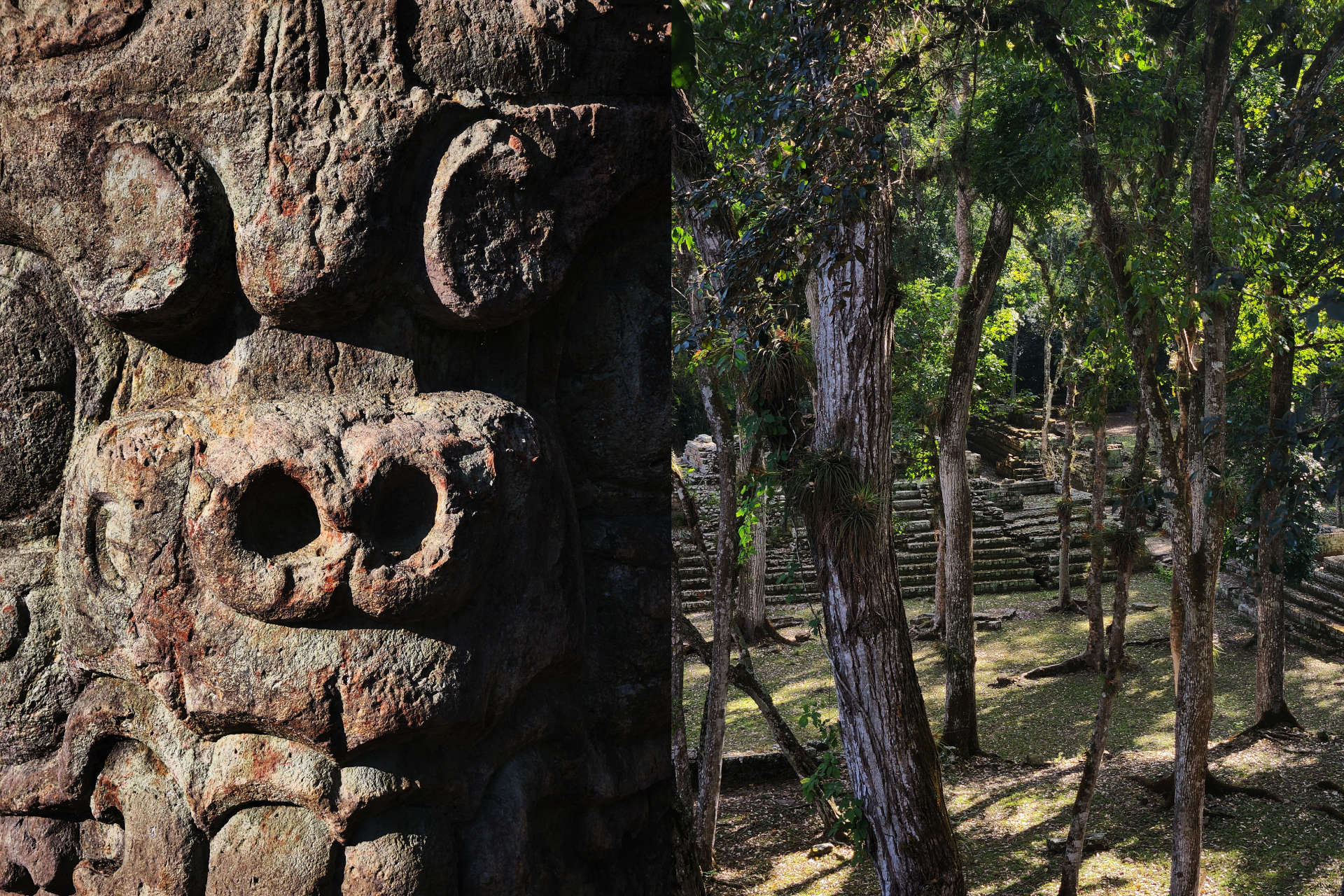
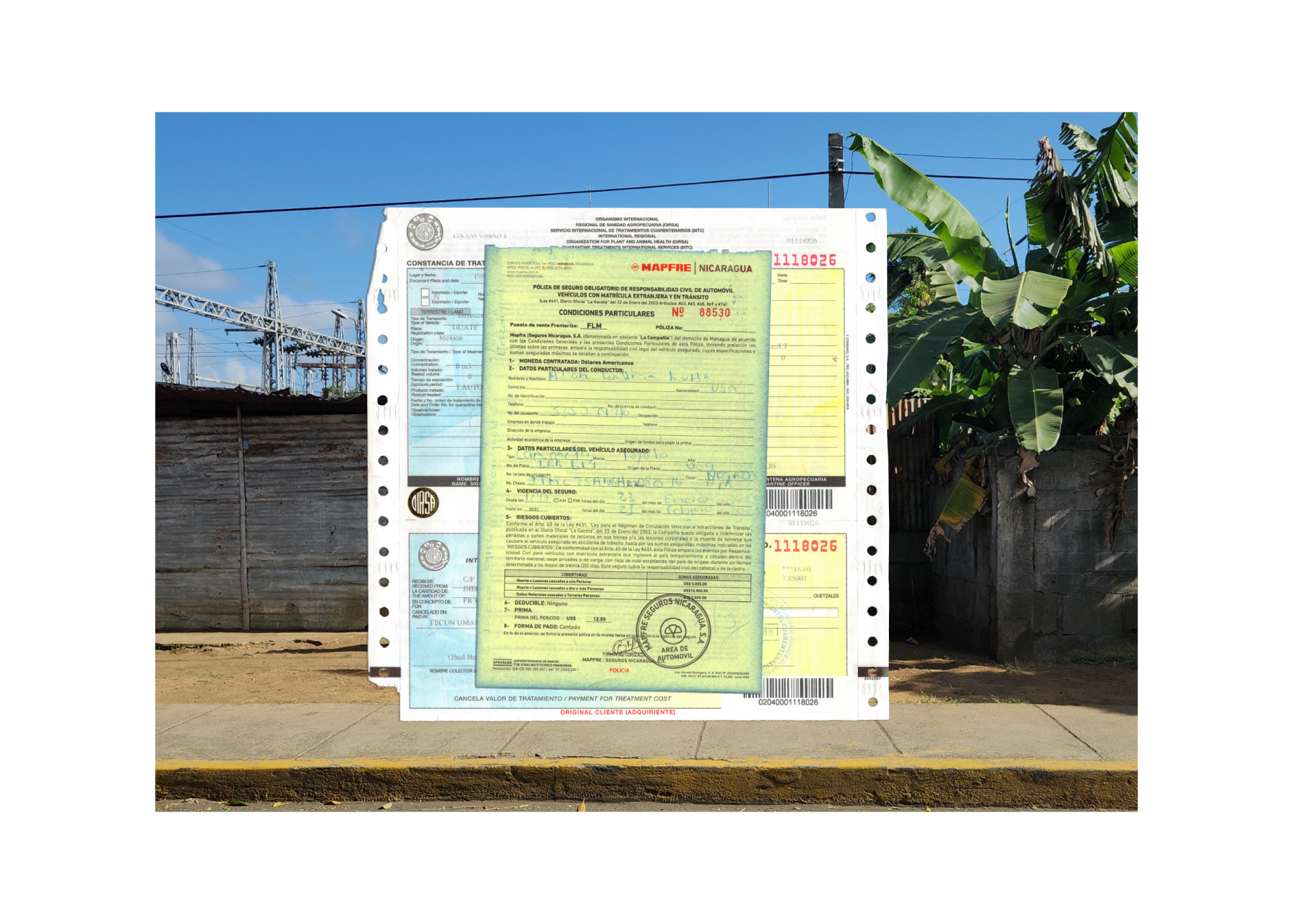
I arrived at Aduana El Florido, the Honduras Customs office, right as it opened. Each time I got in line, I'd receive a new stamp and be told I needed copies. To get them, I had to step outside, cross the street to a small convenience store packed with cigarettes, chips, and cold drinks. In the corner sat a dusty HP inkjet printer. I paid for the copies with my Guatemalan Quetzales, then exchanged the rest for Honduran Lempira. After a few rounds of this, I finally got a thumbs up from the customs officer.
"¿Todo bien?" I asked.
"Sí. Bienvenidos a Honduras."
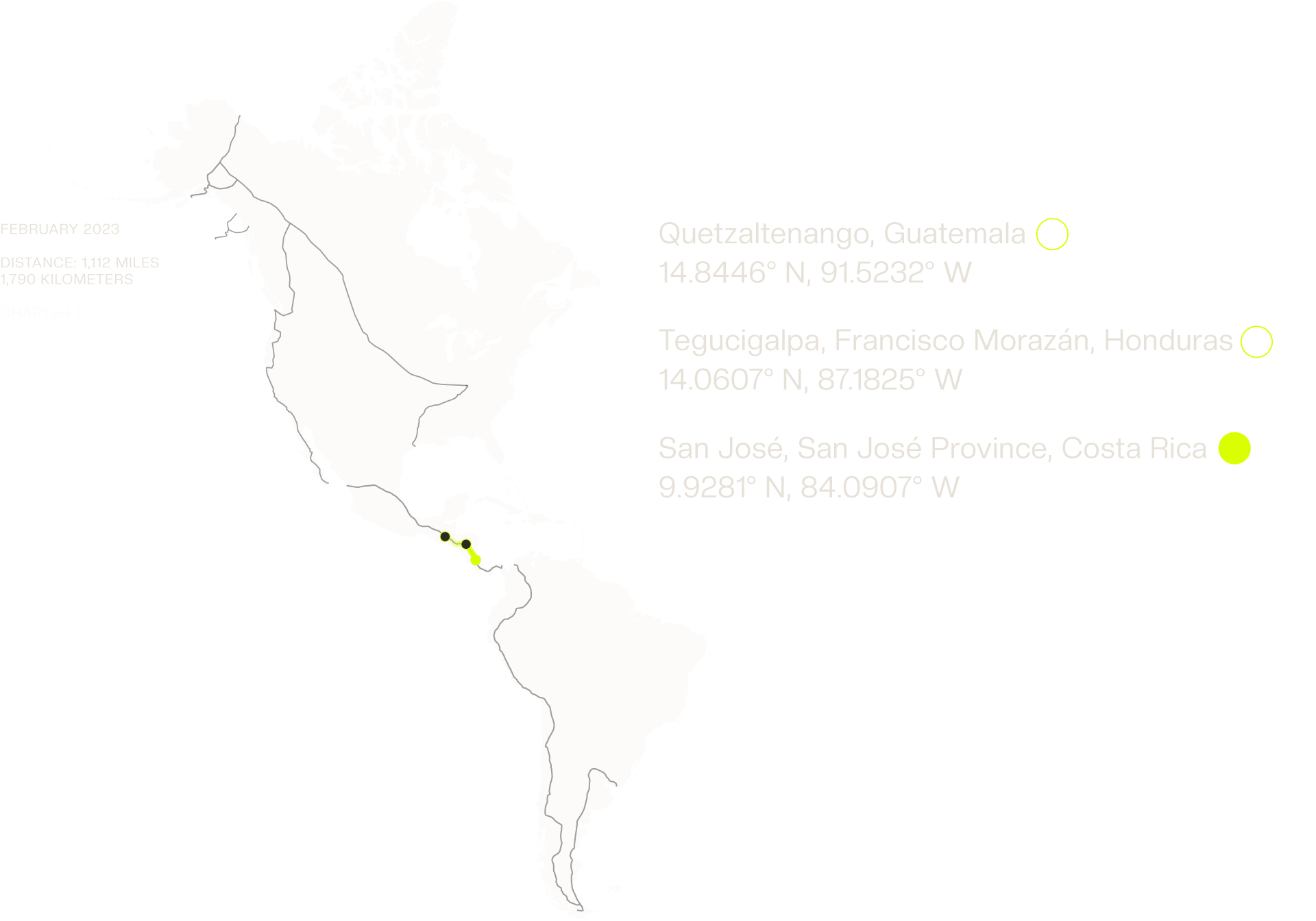
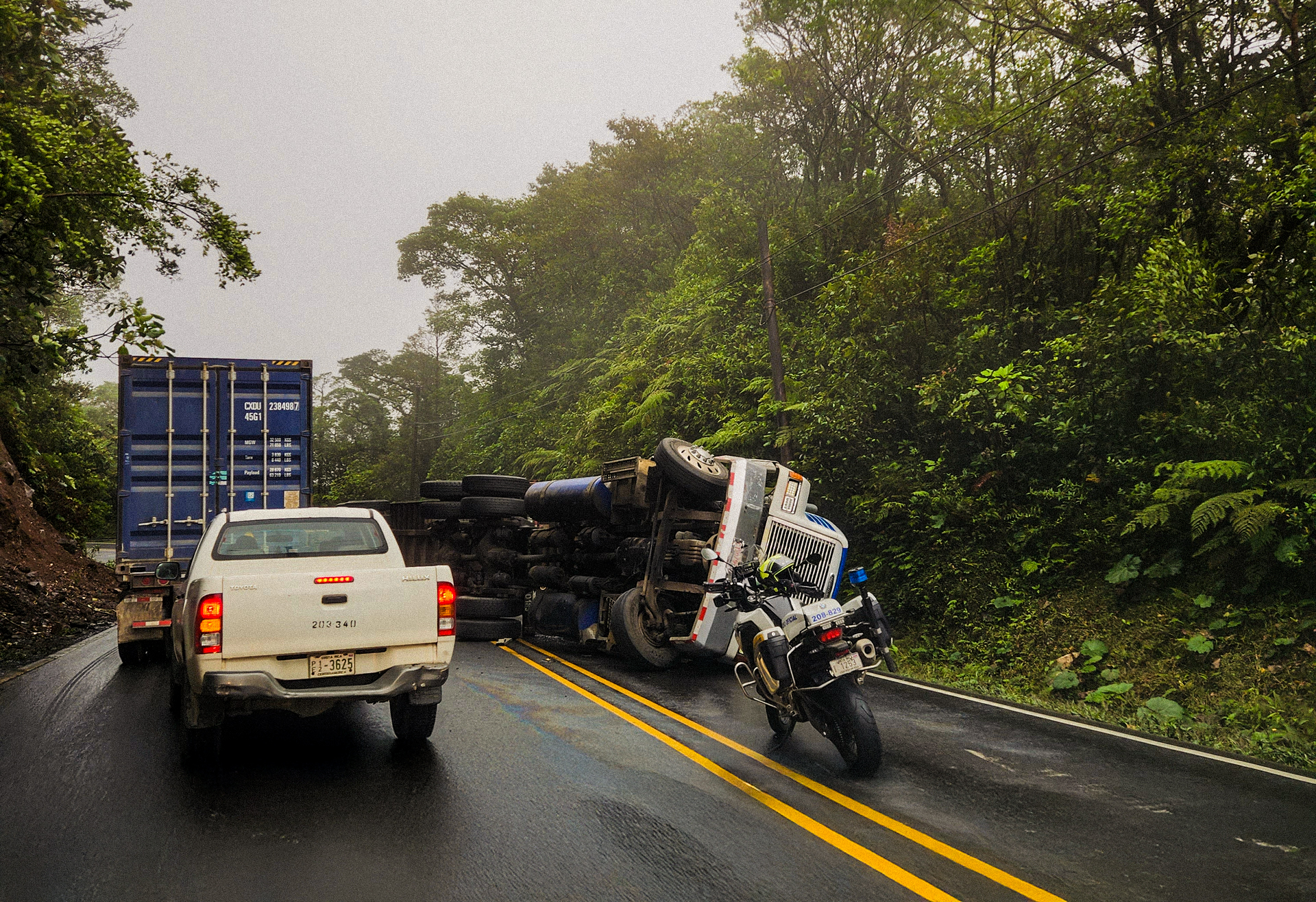
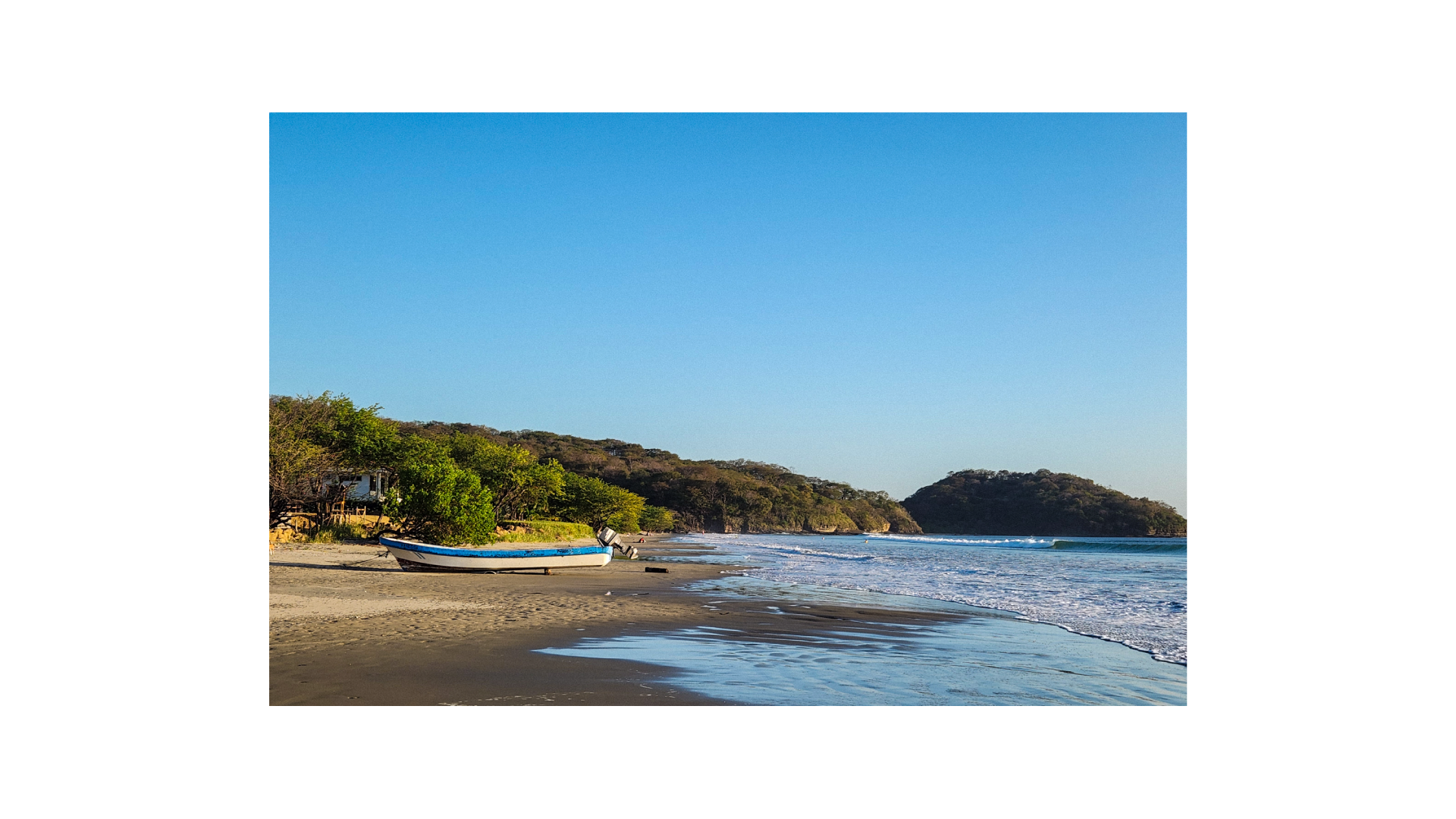
I didn't linger. I was focused on my shipping date. Each day, I got up early and drove most of the daylight hours. When the sun started to set, I would stop to fuel up and find a hotel for the night. In just a few days, I crossed through Honduras, then Nicaragua, and into Costa Rica. I had put a lot of miles on the truck, and it was in need of some attention. In San Jose, I found a garage that could rotate my tires and change the oil. The Panama border was just a half day away.